
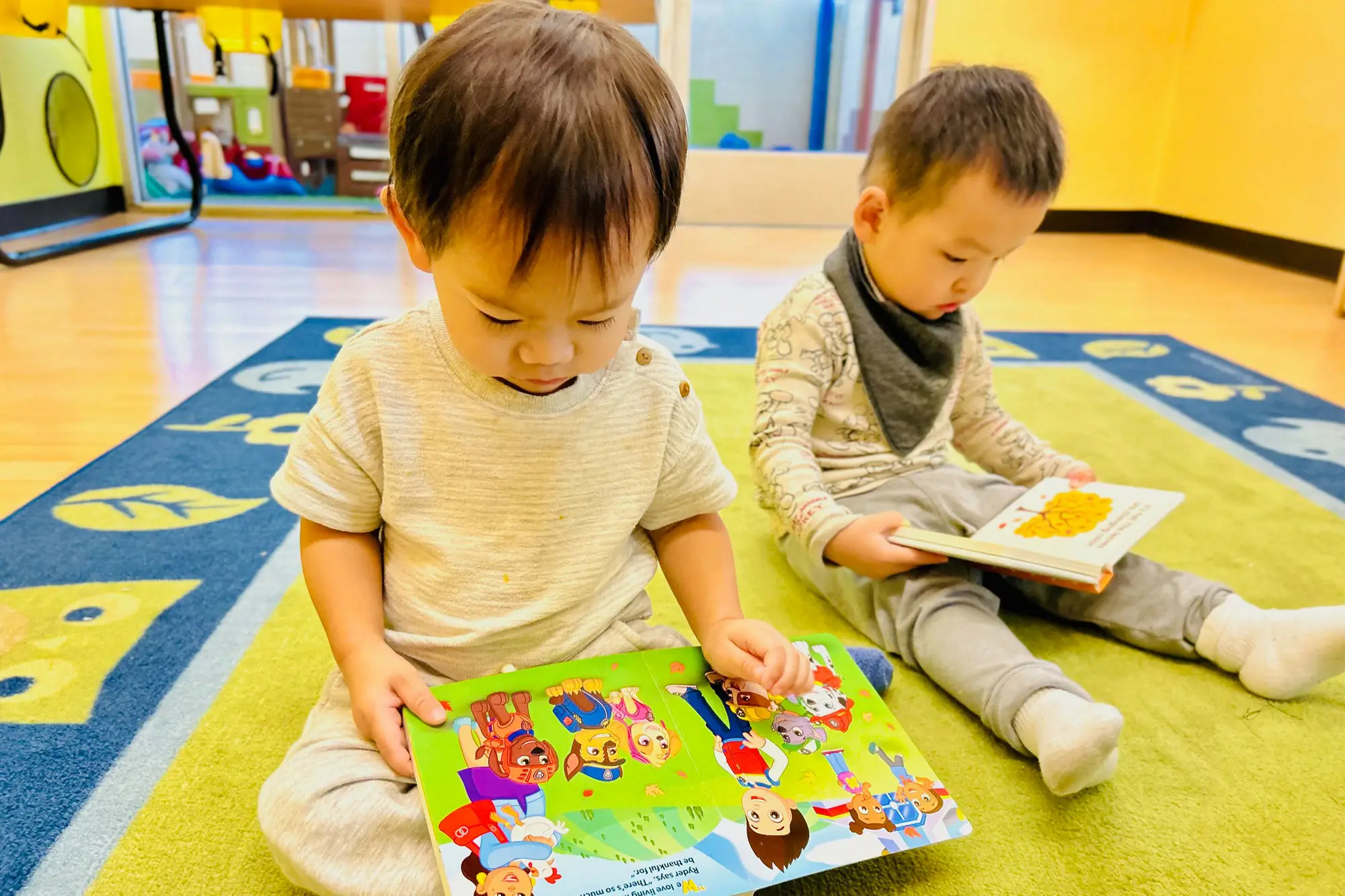
Every classroom holds several children whose accepted diet fits on an index card — and every one of their parents carries the same weary question: will they ever eat anything that isn't beige? The encouraging secret from inside group care: the preschool lunch table is one of the most effective picky-eating interventions ever accidentally designed — peer models, zero pressure, scheduled meals, and repeated low-stakes exposure, which is exactly the recipe the feeding science prescribes. Here's why the pickiness happens, what the table at Sierra Preschool & After School in Riverside does about it, and how home can end the dinner war tonight.
Key takeaways
- •Picky eating peaks at exactly preschool age — food neophobia is a normal developmental phase, not a parenting failure.
- •Acceptance runs on exposure math: new foods routinely need 8–15 no-pressure encounters — most families quit at three.
- •Peers are the intervention home can't stock: a table of classmates eating the vegetable outperforms every parental speech.
- •Pressure backfires measurably — bribes, pleading, and bite-counting all increase resistance; adults decide what's served, the child decides whether and how much.
- •Real red flags are rare and different in kind: a shrinking food list, gagging at textures across settings, or growth concerns earn a pediatrician conversation.
Why did my adventurous toddler turn beige at three?
Because the wariness is scheduled. Babies eat almost anything offered; somewhere in the twos the gates close — new foods refused on sight, former favorites exiled, the diet contracting toward the reliable beige core. The classic explanation fits the timing: this is the age evolution made children mobile enough to forage and wise enough to distrust unknown plants, so wariness of new foods — especially bitter greens — was a survival feature in every generation but this one. Stack the preschooler's parallel projects on top — the control hunger (eating is one of the few things a small child truly governs, and they know it), the sensory sensitivity peak, and the sameness-seeking that runs their whole psychology — and the beige era is overdetermined. The consolations that are actually true: it's a phase with an exit (neophobia declines through the school years as exposure accumulates), the nutrition math is more forgiving than it feels (children's intake balances across days and weeks, not per meal, and growth on the pediatrician's curves is the real gauge), and the behavior is nearly universal — our lunch tables confirm daily that your index-card eater has plenty of colleagues.
What does the preschool table do that the home table can't?
It runs the evidence-based protocol by accident of architecture. Peer modeling, the heavyweight: the strongest documented influence on a young child's food acceptance isn't parental persuasion — it's watching other children eat the food; classic studies seated vegetable-eating peers beside refusers and watched preferences genuinely shift within days, and our tables run that experiment at every meal. The child's unspoken logic: people my size eat this and live. Pressure-free exposure: the professional table stance is structured neutrality — food served, eating the child's business, nobody pleading or celebrating bites — which is exactly what feeding research prescribes, because pressure of every flavor, the “just one bite” negotiation included, measurably increases resistance. Emotional distance: a teacher's serenity about rejected peas is structural — she didn't cook them, isn't worried about this child's iron, and has watched a thousand refusals resolve — while a parent's accumulated dinner anxiety broadcasts loudly, and children eat worse under surveillance they can feel. And schedule structure: meals and snacks at fixed times with water between means children arrive hungry — the grazing economy many households run quietly abolishes the appetite that would have tried the new food. Which is why the standard parent report exists: “he ate WHAT at school?”
a day in our junior pre-K room
What should home actually do — and stop doing?
Adopt the division of responsibility, run the exposure math, and resign from the war. The division: adults decide what food is served, when, and where; the child decides whether to eat and how much — full stop. Serve meals with one reliable safe food on the table (no short-order cooking, which teaches that refusal summons pasta), put small portions of the refused foods within reach without comment, and let uneaten things leave without eulogy. Expect a testing period, then a strange peace — the frame works because it returns eating to the child's internal cues and removes the control battle that was maintaining half the refusals. The exposure math: acceptance needs eight-to-fifteen neutral encounters per food — seeing it, smelling it, having it on the plate all count — so keep serving the rejected vegetable in small doses without agenda, and recruit the cheap exposures: the child who shops for, washes, and helps cook a food meets it repeatedly at zero pressure, and the cooking-and-gardening effect on acceptance is one of the field's most reliable findings. The resignations: stop the bite-counting, the dessert-as-ransom (it double-teaches: vegetables are bad, sweets are precious), the praise for eating, and the meal-length sieges — twenty pleasant minutes and the table closes. The war ends when one side stops attending; the eating improves after the armistice, not before.
When is picky eating something more?
When the pattern breaks the phase's shape. The benign signature: a limited-but-stable list of twenty-plus foods across a few groups, normal growth on the pediatrician's curves, energy and development on track, and slow improvement with age. The patterns worth a pediatrician conversation — and possibly a feeding-specialist referral: a shrinking list heading under fifteen items (contraction is different from plateau); sensory-driven refusal across settings — gagging at textures, categories refused by feel, foods that can't touch — consistently at school AND home (the two-setting check matters: home-only refusal is usually dynamics; everywhere-refusal is usually the child's real sensory experience, and occupational-therapy feeding approaches help); growth or nutrition flags — weight faltering or whole food groups missing for months; and mealtime distress beyond preference — fear-level reactions, or a history of choking or reflux the refusals might trace to. The base rates for calibration: the overwhelming majority of index-card eaters are running the standard phase and will exit it. The teacher who watches your child at a table of peers daily can tell you which pattern you're seeing — ask for the lunch report before you ask the internet.
our before & after school program
Frequently asked questions
My child eats vegetables at school and refuses them at home. Why?
Peers, neutrality, and a hunger schedule — the conditions differ, not the child. Serve the school-verified foods at home without fanfare and let the acceptance migrate.
Should I hide vegetables in other foods?
As nutrition triage, fine — as the whole strategy, it skips the real goal and risks trust if discovered. Run it alongside honest exposure, not instead of it.
Is it okay that he eats the same lunch every day?
Yes — sameness-seeking is the age, and a stable lunch with decent components is a fine base camp. Keep the neutral exposures running at other meals; menus widen from safety, not from siege.
How does the school handle my child's short list at lunch?
The same stance as everyone's: food served, no pressure, peers doing the persuading, and honest reports to you about what's actually eaten. Tell us the safe foods and the goals.
Ask what our beige-food veterans are eating by spring — the answer is encouraging. Call (951) 689-9492, Sierra Preschool & After School in Riverside.